

Regular movement is widely associated with overall health and plays a role in supporting cardiovascular function. Incorporating physical activity into daily life does not have to be complicated, and there are many accessible ways to stay active.
Aerobic activities, such as walking, cycling, or swimming, are commonly linked to cardiovascular support. These activities involve continuous movement and can be adapted to different fitness levels. Even short sessions spread throughout the day can contribute to an active lifestyle.
Strength-based exercises are another component of a well-rounded routine. These may include bodyweight exercises, resistance bands, or light weights. Building strength can support overall physical function and complement aerobic activity.
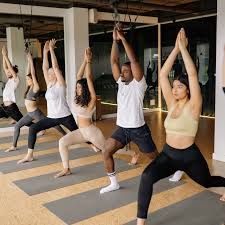
Flexibility and mobility exercises, such as stretching or yoga, can also be beneficial. These activities may help improve range of motion and contribute to overall comfort during movement.
For those with busy schedules, integrating activity into everyday routines can be a practical approach. Taking the stairs, walking during breaks, or choosing active transportation are simple ways to increase daily movement.
It is generally recommended to start at a comfortable level and gradually increase intensity or duration. Listening to the body and allowing time for rest and recovery is an important part of maintaining consistency.
By choosing activities that are enjoyable and sustainable, individuals are more likely to stay active over time. A consistent approach to movement can support both physical and mental well-being.